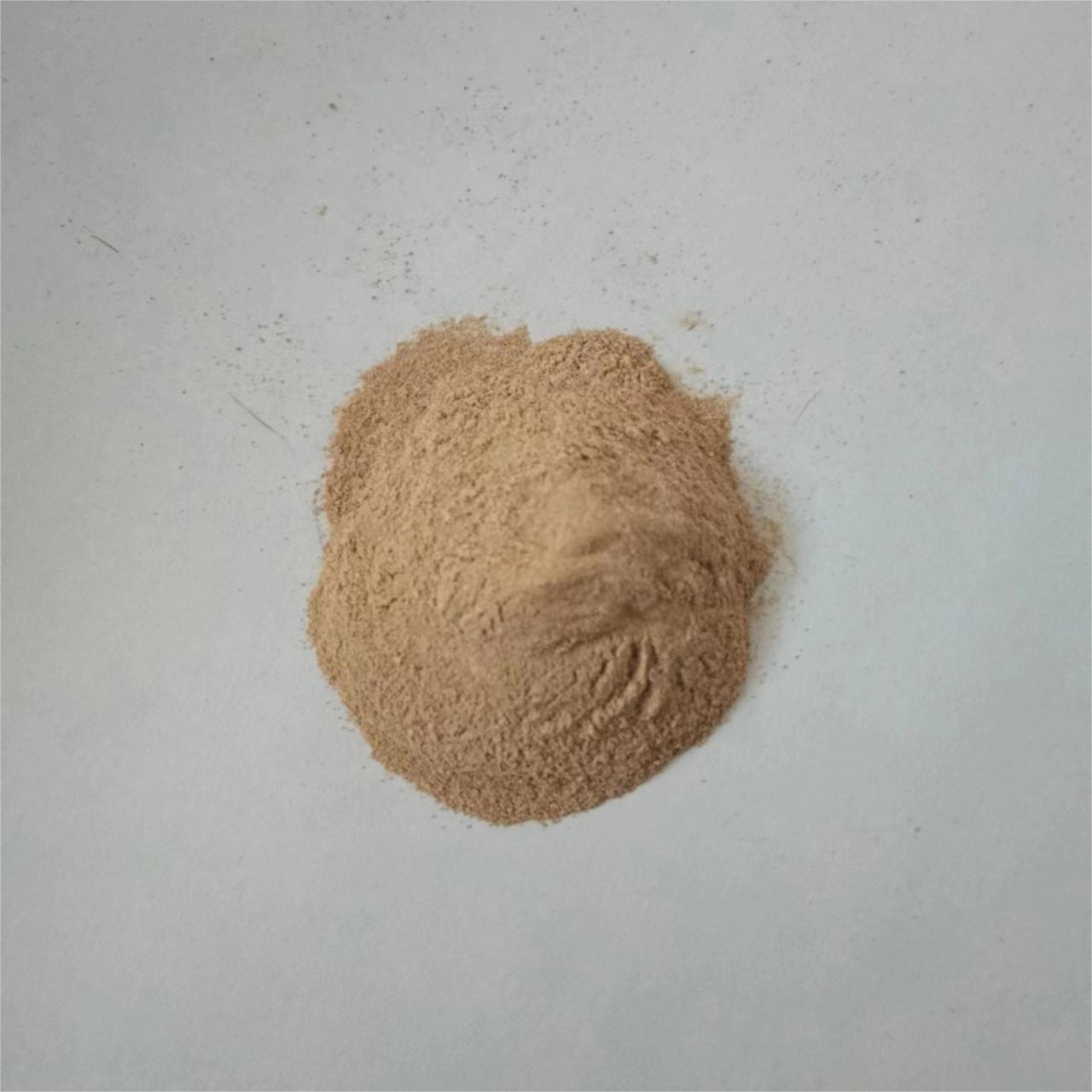
Introducing our revolutionary product Bacillus subtilis, the expert recommended solution for regulating enteric cultures in livestock and poultry farming.
Our products combine the power of Bacillus subtilis with carrier protectants to provide a unique blend of ingredients that promote optimal digestive health and overall well-being in animals.
Key Ingredients Bacillus subtilis is a powerful and beneficial live bacterial strain. It works by colonizing the gut, forming a protective barrier and helping to maintain a healthy balance of gut flora. This in turn supports better nutrient absorption, boosts immunity and improves overall gut health.
In addition to live bacteria, our products also contain metabolites produced by these bacteria. These metabolites play a key role in promoting a healthy digestive system. They help break down complex nutrients into more digestible forms, allowing for better utilization and absorption of nutrients.
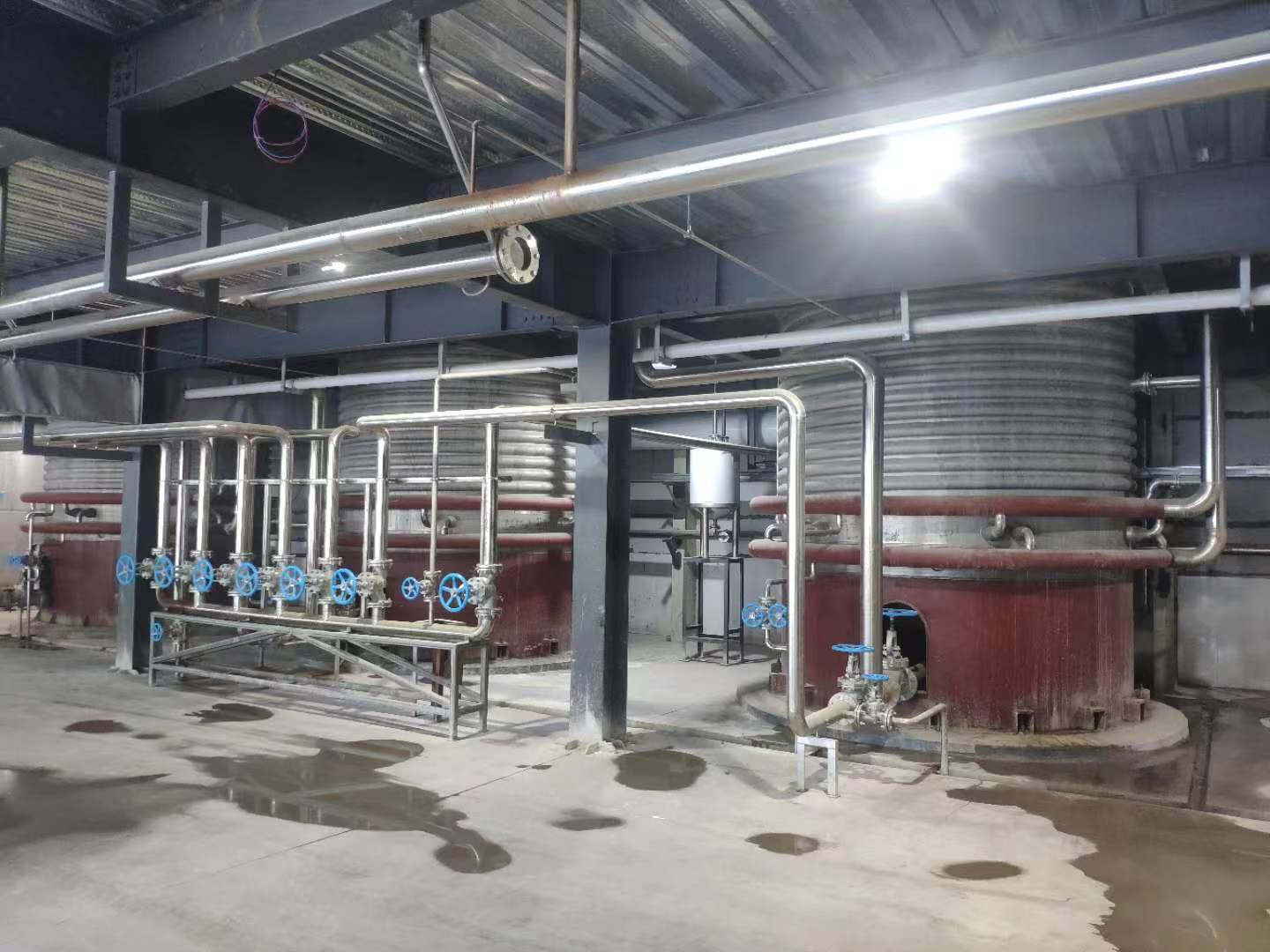
Our Bacillus subtilis products are specially formulated for use as feed additives in livestock and poultry production. It can be seamlessly integrated into existing husbandry programs and is suitable for all stages of animal growth and development.
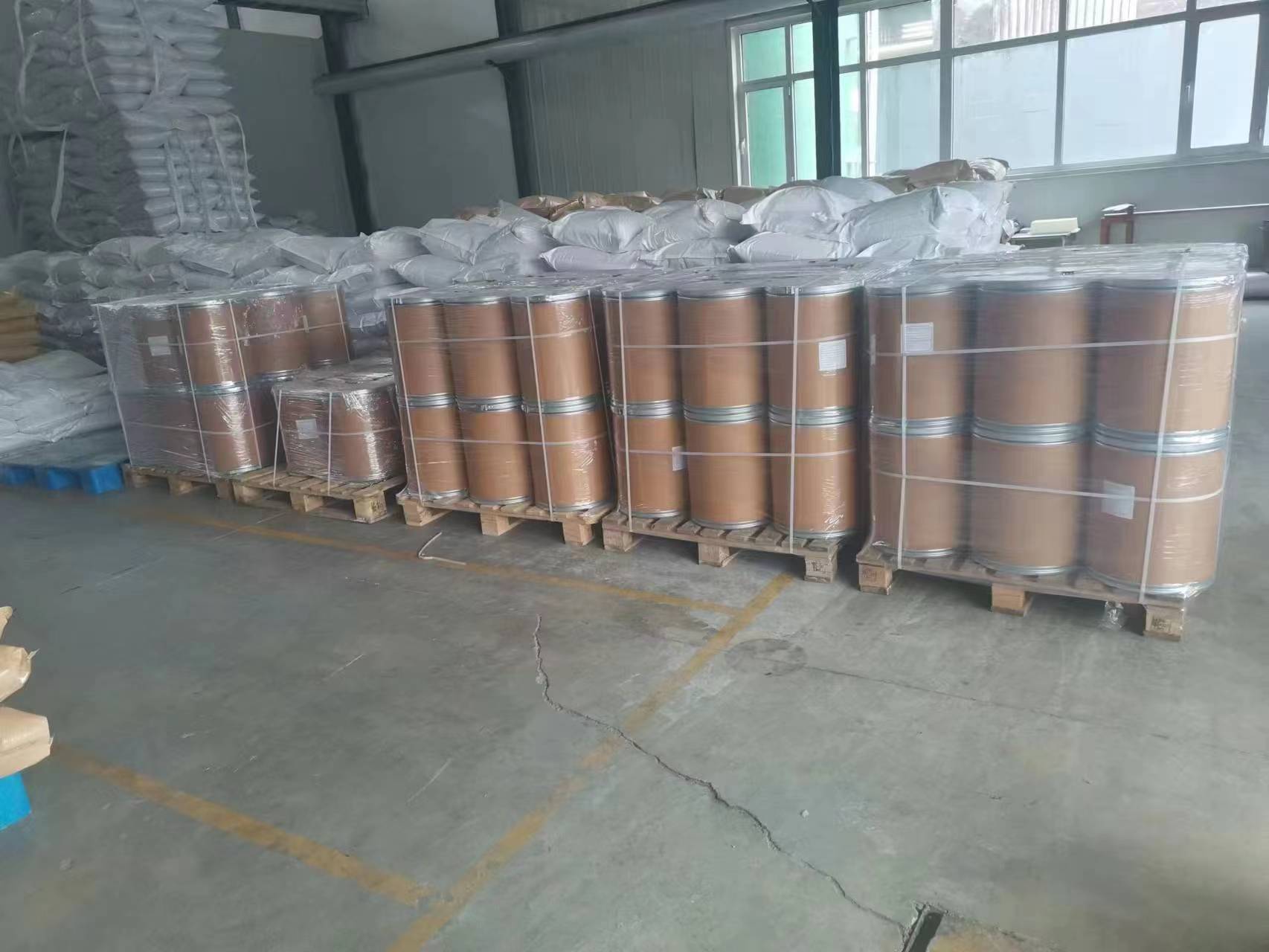
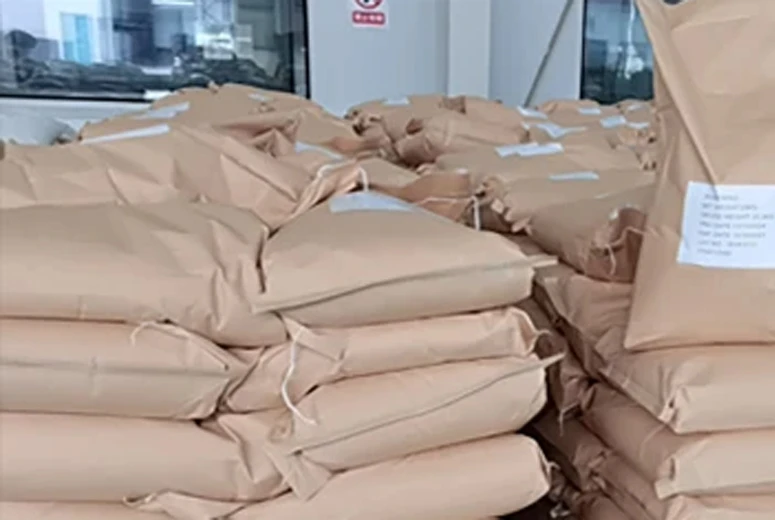
To ensure the highest quality and efficacy, our products are available in different concentrations of live bacteria: 20 billion CFU/g, 100 billion CFU/g, 200 billion CFU/g and 500 billion CFU/g. This allows for flexible dosage options, depending on the specific needs of your animal.
Backed by scientific research and expert recommendations, our Bacillus subtilis products are the trusted choice of animal nutritionists, veterinarians and livestock farmers. It has been shown to effectively regulate gut culture, improve feed efficiency, and enhance overall animal health and performance.
Join the countless farmers and breeders who have already experienced the benefits of Bacillus subtilis. Trust our products to provide the superior gut support your animals need for optimal health and productivity. Invest in their future, invest in Bacillus subtilis.
How Can Bacillus subtilis Revolutionize Agricultural Growth and Soil Health?
As modern farming evolves toward sustainability, Bacillus subtilis has emerged as a cornerstone of eco-friendly agriculture. This spore-forming bacterium functions as a natural biocontrol and growth-promoting microorganism, capable of colonizing plant roots and enhancing nutrient uptake. Unlike chemical fertilizers, bacillus subtilis for sale offers a safe, long-term solution that restores soil vitality while protecting crops from harmful pathogens. Through enzymatic activity and organic matter decomposition, b subtilis releases essential elements such as nitrogen and phosphorus, promoting balanced fertility and improving yield consistency.
When introduced into soil ecosystems, it creates a microbial shield that suppresses the spread of diseases like Fusarium and Pythium. This makes bacillus subtilis in soil an effective component in organic farming systems. The remarkable adaptability of bacillus subtilis bacteria allows it to thrive under a wide range of environmental conditions, maintaining soil structure even during drought or high salinity. Recent studies on bacillus subtilis 168 confirm that it enhances chlorophyll production, stimulates root branching, and strengthens overall plant resilience. Farmers adopting this microorganism often report a noticeable reduction in fertilizer costs and improved long-term soil stability.
Moreover, it contributes to carbon sequestration, reducing the environmental footprint of intensive farming. The application of bacillus subtilis reflects a new philosophy in agriculture—one that values nature-based technology, productivity, and sustainability working hand in hand. Whether used as a seed coating, foliar spray, or soil additive, this bacterium stands out as a proven ally for farmers who aim to increase yields without compromising soil health or food safety.
How Does Bacillus subtilis Drive Innovation in Industrial Biotechnology?
In the world of biotechnology, Bacillus subtilis is recognized as a powerhouse organism due to its versatility, safety, and high secretion capacity. Industries increasingly depend on this bacterium for enzyme production, fermentation, and environmental management. The demand for bacillus subtilis for sale continues to grow because it serves as a natural, efficient host for producing protease, lipase, and cellulase enzymes used across food, detergent, and textile sectors.
In food manufacturing, bacillus subtilis bacteria contribute to fermentation processes that enhance flavor and texture while ensuring hygiene. For example, bacillus subtilis pb6 and bacillus subtilis zb183 are two advanced strains developed for probiotic and nutritional supplement industries. These strains offer digestive health benefits, immune support, and improved nutrient absorption, making them popular among consumers seeking natural wellness solutions.
The presence of bac subtilis in fermentation also reduces chemical inputs, supporting green production methods that align with global sustainability goals. Meanwhile, wastewater treatment plants adopt bacillus subtilis use to accelerate organic matter degradation and eliminate odors, proving its versatility beyond agriculture. Its ability to produce stable endospores means it can withstand high temperatures, acidity, and nutrient fluctuations, allowing continuous industrial operation without contamination risks. This efficiency translates into lower production costs and improved process yields. As industries shift toward cleaner and more resilient systems, the adoption of Bacillus subtilis marks a significant technological leap—one that blends biotechnology with sustainability to achieve long-term profitability.
Why Is Bacillus subtilis the Key to Sustainable and Cost-Effective Production?
In a market driven by efficiency and sustainability, Bacillus subtilis stands out as one of the most cost-effective and reliable microorganisms available today. Known for its remarkable adaptability, bacillus subtilis bacteria are utilized across diverse industries, including agriculture, pharmaceuticals, food processing, and environmental management. Its non-pathogenic and GRAS (Generally Recognized as Safe) status ensures compliance with international safety standards, making it a preferred option among global manufacturers. Businesses searching for reliable microbial inputs often look for bacillus subtilis for sale to replace synthetic additives with natural biological alternatives.
In the feed industry, b subtilis acts as a probiotic that promotes gut balance and enhances animal immunity, leading to improved growth performance without antibiotics. In agriculture, bacillus subtilis in soil is proven to increase organic matter, improve nutrient efficiency, and reduce the need for chemical fertilizers. Meanwhile, research on bacillus subtilis 168 has revealed its potential for producing bioactive compounds, making it valuable for pharmaceutical innovation.
The strain’s enzyme-producing capabilities also benefit biofuel and textile industries, enabling cleaner processes and lower waste output. Companies partnering with professional bacillus subtilis manufacturers gain access to consistent quality, affordable pricing, and reliable export support. As global markets push for greener production, Bacillus subtilis continues to prove its worth as both an economic and ecological asset—bridging science, sustainability, and business opportunity in one compact, powerful organism.
- Previous: Betaine Anhydrous 98%
- Next: Feed Grade Choline Chloride
-

Breadcrumbs - Navigating Success in Digital & Global Supply Chains
Nov,26,2025 -
Why Yellow Bread Crumbs Are an Essential Ingredient in Global Food Industry
Nov,25,2025 -
White Bread Crumbs: Sustainable Solutions for Industry and Humanitarian Needs
Nov,25,2025 -
What is Dried Yeast? Global Insights, Applications & Future Trends
Nov,24,2025 -
What Is Sapp Food Grade? Global Insights & Benefits for Food Safety
Nov,24,2025 -
cas no 7758-16-9 Explained – The Global Guide to Potassium Sulfate Uses & Benefits
Nov,23,2025 -
Discover the Versatile Uses of Na2H2P2O7 in Industry and Food Processing
Nov,23,2025 -
Understanding SAPP: Scalable, Adaptable Solutions for Global Challenges
Nov,23,2025